Mom Flower Bee: A Designer’s Review for Real Embroidery
As a designer who has spent countless hours digitizing patterns and testing them on everything from stiff canvas to delicate jersey, I approach every new machine embroidery design with a mix of curiosity and skepticism. We have all been there: you download a file that looks pristine on the screen, only to find it puckers the fabric or loses its charm once the needle hits the thread. Today, I am taking a close look at Mom Flower Bee, a digital asset that promises a sweet, nature-inspired aesthetic. My goal here is not just to describe it, but to evaluate how it holds up in the real world of craft businesses and handmade production.
First Impressions: Mood and Visual Personality
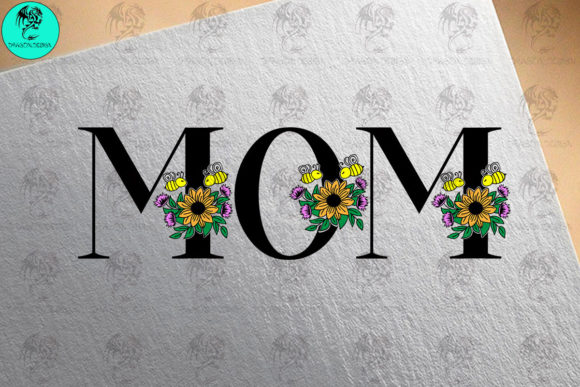
The first thing that strikes me about Mom Flower Bee is its gentle, nurturing vibe. The composition balances organic floral elements with the whimsical presence of a bee, creating a layout that feels both playful and grounded. For those of us in the Crafts sector, mood is everything. This design does not scream for attention; instead, it invites a closer look. The lines appear clean, suggesting that the underlying vector paths in the included SVG and EPS files are well-constructed. This is crucial because a messy vector often translates to a jagged stitch path.
Visually, the design leans into a soft, illustrative style. It avoids the overly complex shading that can bog down an embroidery machine, opting instead for clear shapes that define the flower petals and the bee’s wings. This simplicity is a strength. It means the design is versatile enough to work as a focal point on a large item or as a subtle accent on something smaller. It feels like a piece of Graphics art that was created with stitching in mind, rather than a print design forced into an embroidery format.
Real-World Application: Where This Design Shines
I recently had a client request a custom line of spring-themed gifts for a boutique baby shower. I needed a design that communicated warmth without being cliché. Mom Flower Bee fit the bill perfectly. I envisioned it centered on a high-quality cotton tote bag, using pastel thread colors to mimic watercolor paintings. The result was charming. The floral elements provided a nice frame for the bee, creating a balanced composition that looked intentional and professional.
Beyond tote bags, this design has strong potential for sweatshirt embroidery. When scaled up appropriately, the open spaces in the flower petals allow for creative fill stitches or even satin stitch borders that add texture without excessive bulk. I also see this working beautifully on nursery decor. Imagine it stitched onto a pillow cover or a small blanket. The theme aligns perfectly with baby embroidery trends, where parents seek out gentle, nature-based motifs for their children’s rooms.
For Etsy sellers and small shop owners, versatility is key to maximizing return on investment. This design could easily transition from a personalized gift for Mother’s Day to a staple in a year-round collection of custom apparel. It works well on aprons for gardeners or kitchen towels for home bakers, adding a touch of personality to functional items. The key is matching the thread colors to the fabric. On a natural linen apron, earthy greens and warm yellows make the bee pop, while on a white tee, bright, contrasting colors create a modern, graphic look.
Technical Considerations and Stitching Performance
While the aesthetic appeal is strong, we must discuss the technical execution. Since Mom Flower Bee is provided in SVG, PNG, EPS, and DXF formats, it is primarily a graphic asset that may need to be digitized or converted depending on your workflow. If you are using it as a cut file for applique, the clean lines of the SVG are a major advantage. You can cut fabric shapes precisely and then use a simple running stitch or satin stitch to secure them. This method reduces stitch count and prevents the stiffness that sometimes comes with dense fill stitches.
If you are stitching the design directly, pay close attention to stitch density. Floral designs with many small petals can become bulky if the digitizer packs too many stitches into a small area. I recommend testing the design on scrap fabric first. Check how the machine handles the transitions between the flower and the bee. Are there long jumps that need trimming? Is the underlay sufficient to keep the design stable on stretchy fabrics?
Fabric choice matters immensely here. On textured fabrics like terry cloth or heavy denim, fine details might get lost. In these cases, consider simplifying the design or increasing the size to ensure clarity. Conversely, on thin or stretchy fabrics like jersey or rayon, proper stabilization is non-negotiable. Use a cut-away stabilizer for garments that will be washed frequently, ensuring the design retains its shape over time. Without proper support, the weight of the threads could cause the fabric to pucker, ruining the smooth look of the flower petals.
Navigating Challenges: Small Hoops and Dark Fabrics
One area where caution is needed is with small hoop sizes. If you are trying to fit Mom Flower Bee into a 4x4 inch hoop, you may need to scale it down significantly. When shrunk, tiny details like the bee’s antennae or the inner details of the flower center can become indistinct. In such cases, I advise checking the design at 100% zoom on your computer before stitching. If the lines look too close together, they will likely merge when stitched. It might be better to use this design on larger items like tote bags or pillow covers where it can breathe.
Dark fabrics present another challenge. If you are stitching on navy or black, you cannot rely on the fabric color to show through gaps in the design. You will need to plan your thread colors carefully to ensure contrast. A dark background requires lighter, brighter threads to make the design visible. Additionally, consider using a top-stitch or a border to define the edges clearly against the dark material. Always test on a similar fabric scrap to avoid surprises on your final product.
Commercial Value and Brand Consistency
For commercial embroidery professionals, the quality of your design assets reflects directly on your brand. Using a well-balanced design like Mom Flower Bee can enhance customer trust. It shows attention to detail and a commitment to quality aesthetics. When customers see a clean, well-stitched design on a finished product, they perceive higher value. This is particularly important for craft business owners who rely on repeat customers and positive reviews.
Moreover, this design fits well into a cohesive brand identity for shops focusing on eco-friendly or handmade goods. It pairs nicely with other nature-inspired motifs, allowing you to create collections rather than isolated items. Whether you are creating holiday embroidery for spring celebrations or everyday wear, the timeless nature of flowers and bees ensures the design does not feel dated quickly.
Final Verdict and Practical Tips
In conclusion, Mom Flower Bee is a solid addition to any designer’s library, provided it is used with intention. It is not just a pretty picture; it is a functional design element that, when handled correctly, can elevate a simple garment into a cherished keepsake. Before you commit to a large production run, take the time to digitize or convert the file properly for your specific machine. Check your license terms to confirm whether you can sell finished items or if there are restrictions on commercial use.
Remember to experiment with different thread combinations. Sometimes, swapping a standard polyester thread for a matte rayon can change the entire feel of the piece, making it look more upscale. Use printable mockups to visualize how the design will look on different products before you stitch a single thread. This saves time and materials. Ultimately, Mom Flower Bee offers a blend of charm and practicality that, with careful execution, can become a bestseller in your small shop. Treat it with the respect it deserves, and it will reward you with beautiful, durable results.